
YouTube Tags Strategy: Do Tags Still Matter in 2025? (Spoiler: Yes, But Differently)
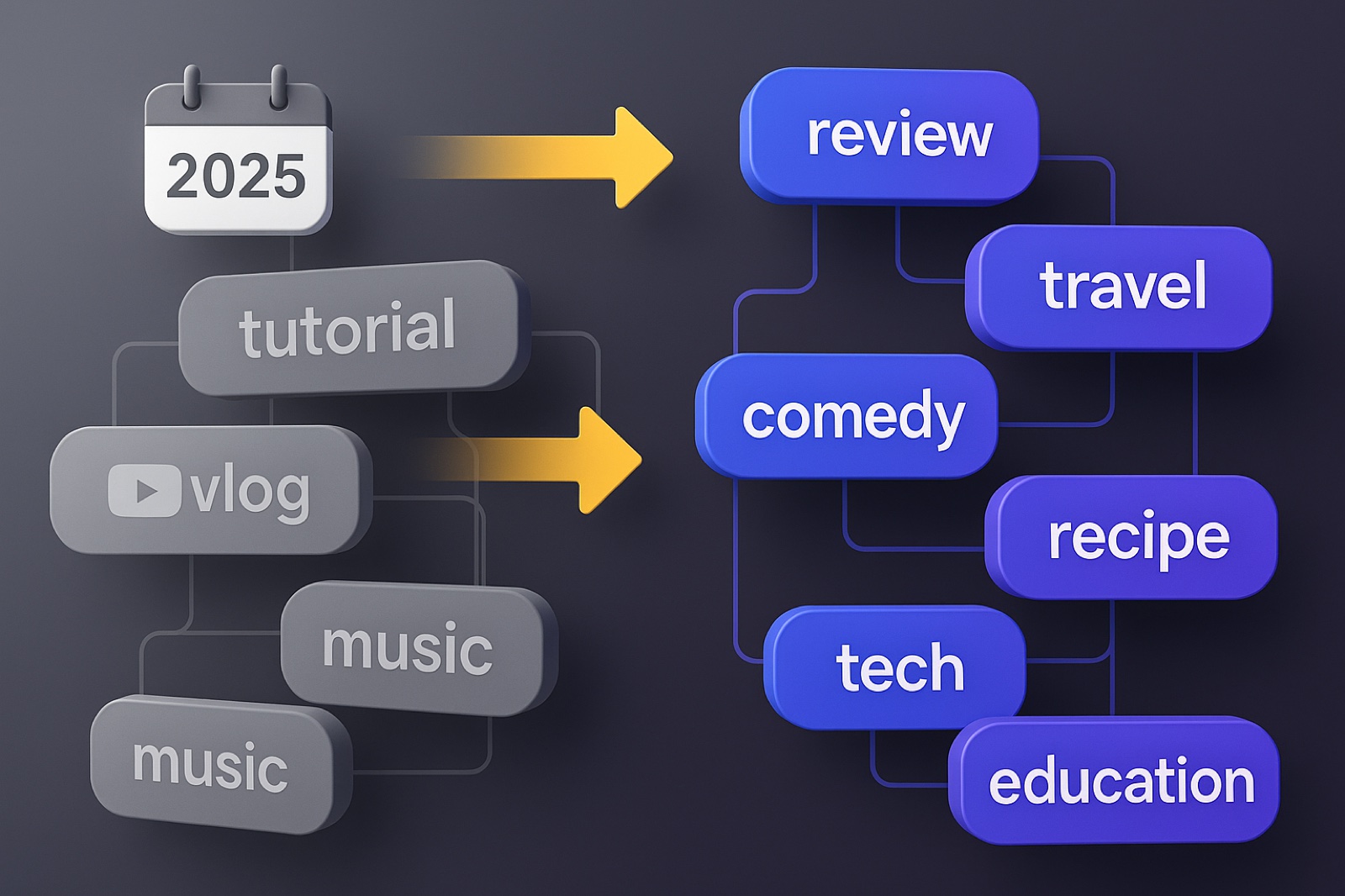
Tags have changed, but they still matter. Learn the modern approach to YouTube tags that actually helps your videos rank and get discovered.
Quick Answer
If you want better results from YouTube tags, focus first on packaging quality, then retention quality, and finally consistency of execution. Most channels grow when they improve these three levers in sequence, not in isolation.
Key Takeaways
- Start each video with one clear intent tied to "YouTube tags" and keep your packaging aligned with that intent.
- Track click-through rate, average view duration, and watch time together. Improving only one metric is rarely enough.
- Use a repeatable weekly workflow: audit, update, test, and document outcomes.
- Link related videos and blog posts so each new upload strengthens your full content ecosystem.
On this page
Introduction: The Evolution of YouTube Tags
YouTube tags have changed dramatically over the years. What worked in 2015 doesn't work in 2025. But here's the truth: tags still matter, just differently than before.
In this guide, we'll explore how YouTube tags work in 2025, what's changed, and the modern tag strategy that actually helps your videos rank and get discovered.
Do Tags Still Matter in 2025?
Short answer: Yes, but they're less important than titles, descriptions, and thumbnails. Here's why tags still have value:
- Content Categorization: Tags help YouTube understand your video's topic
- Related Video Suggestions: Tags influence which videos YouTube recommends alongside yours
- Search Context: Tags provide additional context for YouTube's algorithm
- Niche Targeting: Tags help YouTube understand your specific niche
However, tags are no longer a primary ranking factor. YouTube's algorithm now relies more heavily on:
- Title and description keywords
- Video content analysis (transcripts, captions)
- User engagement metrics
- Channel authority and history
How Tags Work in 2025
Understanding how tags function helps you use them effectively:
1. Tag Relevance
Tags should accurately describe your video. Misleading tags can hurt your channel's performance and viewer trust.
2. Tag Quantity
More tags aren't better. Focus on 5-10 highly relevant tags rather than stuffing 30+ tags.
3. Tag Specificity
Mix broad and specific tags:
- Broad: "YouTube SEO", "video marketing"
- Specific: "YouTube title optimization", "video description SEO"
The Modern Tag Strategy
Here's the tag strategy that works in 2025:
Step 1: Primary Tag
Your primary tag should match your main keyword. This is usually the same as your title's primary keyword.
Example: If your title is "YouTube SEO Guide 2025", your primary tag should be "YouTube SEO"
Step 2: Secondary Tags
Add 3-5 tags that are closely related to your primary tag:
- Variations of your main keyword
- Related topics your video covers
- Long-tail variations
Step 3: Niche Tags
Include 2-3 tags specific to your niche or sub-niche. These help YouTube understand your exact audience.
Step 4: Brand Tags
Include your channel name and any relevant brand tags. This helps YouTube connect your videos.
Tag Research Methods
Find effective tags using these methods:
1. Competitor Analysis
Use tools to see what tags successful competitors use. Don't copy blindly. Understand why they work.
2. YouTube Autocomplete
Type your main keyword in YouTube search and see what autocomplete suggests. These are often good tag candidates.
3. Related Videos
Check tags on videos that rank for your target keywords. Look for patterns in what works.
4. Tag Suggestion Tools
Viewera's tag suggestions feature analyzes your content and suggests the most relevant tags based on your video topic and target keywords, saving you research time.
Common Tag Mistakes to Avoid
- Tag Stuffing: Using 30+ tags doesn't help and can hurt
- Irrelevant Tags: Tags that don't match your content confuse YouTube
- Spelling Mistakes: Typos in tags waste valuable tag space
- Overly Generic Tags: Tags like "video" or "funny" are too broad to be useful
- Ignoring Your Niche: Include tags specific to your audience
Tag Best Practices for 2025
- Quality Over Quantity: 5-10 relevant tags beat 30+ random tags
- Match Your Content: Tags should accurately describe your video
- Use Natural Language: Tags should read naturally, not like keyword spam
- Include Variations: Add different ways people might search for your topic
- Test and Iterate: Monitor which tags correlate with better performance
Tags vs. Other SEO Elements
Understand how tags fit into your overall SEO strategy:
| Element | Importance | Impact |
|---|---|---|
| Title | Very High | Primary ranking factor, CTR driver |
| Description | High | SEO value, search result snippet |
| Thumbnail | Very High | CTR driver, not a ranking factor |
| Tags | Medium | Context and categorization |
| Content | Very High | Engagement, retention, ranking |
Conclusion: Tags as Part of a Larger Strategy
Tags still matter in 2025, but they're one piece of a larger SEO puzzle. Don't obsess over tags, but don't ignore them either. Use tags strategically as part of a comprehensive SEO approach that includes optimized titles, descriptions, thumbnails, and high-quality content.
Focus on creating great content first, then optimize tags to help YouTube understand and categorize that content. Tags won't save bad content, but they can help great content get discovered.
Ready to optimize your tags? Try Viewera and get access to tag suggestion tools, SEO checklists, and comprehensive optimization features that help you get the most from every SEO element.
Frequently Asked Questions
What is the fastest way to improve YouTube tags?
Improve your title-thumbnail promise and the first 30 seconds of the video first. This usually creates the biggest early lift in both CTR and retention.
How often should I review analytics for YouTube tags?
Review core metrics weekly and run a deeper content-level analysis monthly. This gives enough data to spot patterns without overreacting to noise.
Can I use AI tools without losing content quality?
Yes. Use AI for ideation, structure, and optimization support, but keep the final narrative, examples, and voice aligned to your audience and expertise.
Related Articles
The Complete YouTube SEO Guide for 2025: Rank Higher and Get More Views
Learn the latest YouTube SEO techniques that actually work. We analyzed 10,000+ videos to create this comprehensive guide covering titles, descriptions, tags, thumbnails, and analytics.
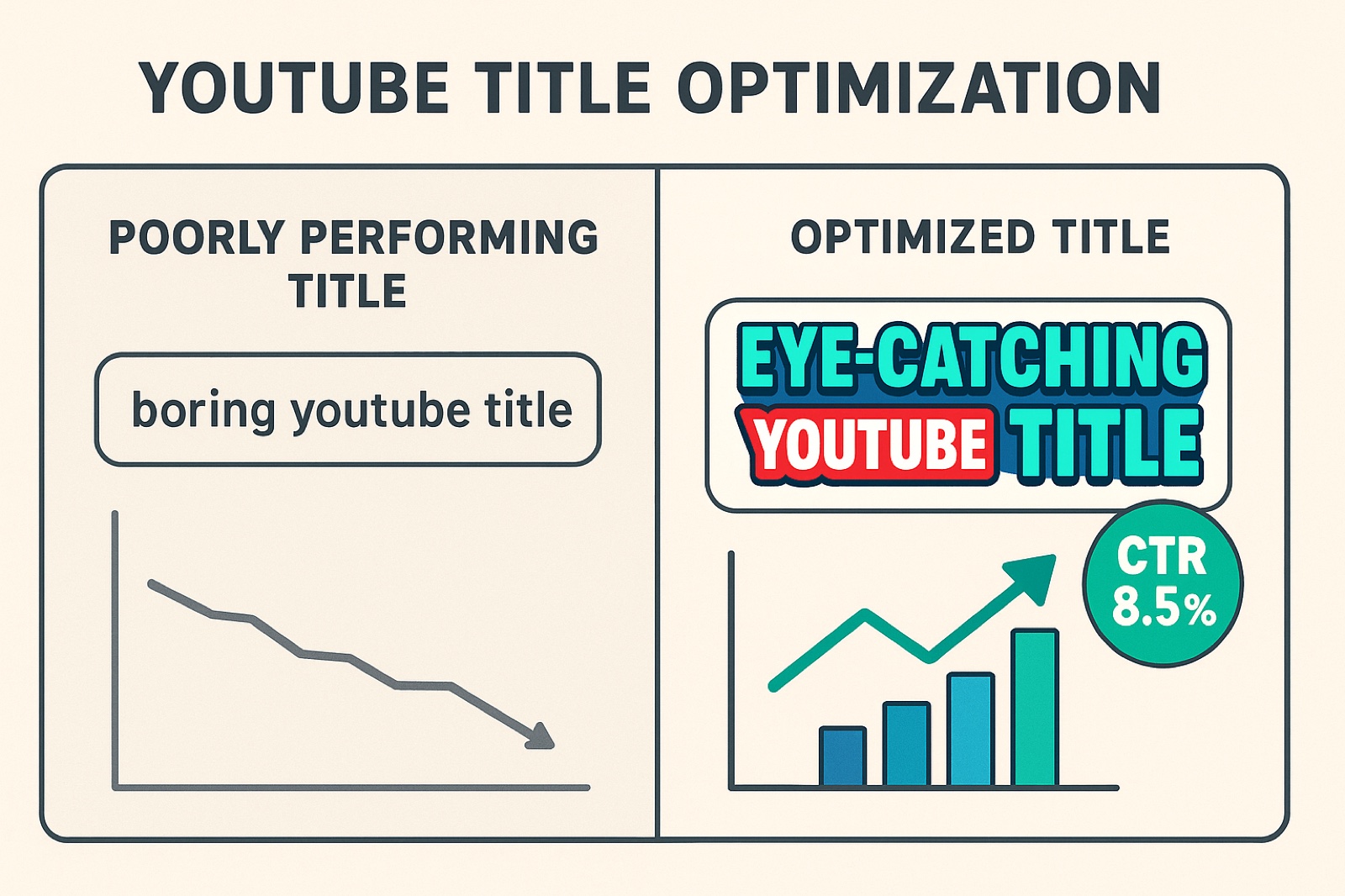
How to Optimize YouTube Video Titles for Maximum CTR: A Data-Driven Guide
Discover the science behind high-performing YouTube titles. We analyzed 10,000+ titles to reveal the psychological triggers and patterns that drive clicks.
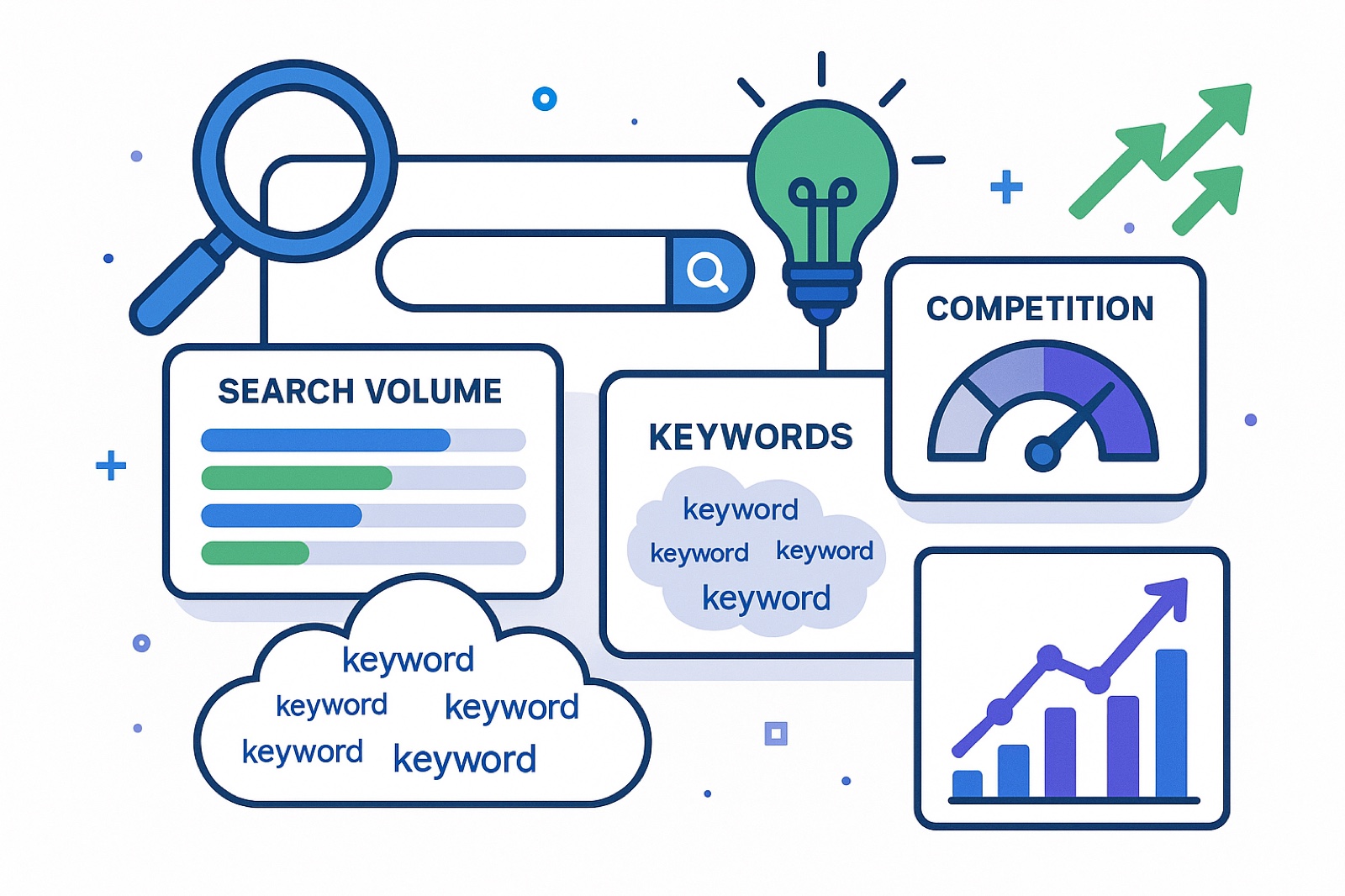
YouTube Keyword Research: Find High-Volume, Low-Competition Keywords in 2025
Stop guessing which keywords work. Learn proven strategies to find high-volume, low-competition keywords that actually drive traffic to your videos.
Ready to Optimize Your YouTube Channel?
Viewera gives you clear analytics, SEO optimization tools, and content insights to help you grow your channel.
Start Free Trial