
The Complete YouTube SEO Guide for 2025: Rank Higher and Get More Views
Learn the latest YouTube SEO techniques that actually work. We analyzed 10,000+ videos to create this comprehensive guide covering titles, descriptions, tags, thumbnails, and analytics.
Quick Answer
If you want better results from YouTube SEO guide, focus first on packaging quality, then retention quality, and finally consistency of execution. Most channels grow when they improve these three levers in sequence, not in isolation.
Key Takeaways
- Start each video with one clear intent tied to "YouTube SEO guide" and keep your packaging aligned with that intent.
- Track click-through rate, average view duration, and watch time together. Improving only one metric is rarely enough.
- Use a repeatable weekly workflow: audit, update, test, and document outcomes.
- Link related videos and blog posts so each new upload strengthens your full content ecosystem.
On this page
Introduction: Why YouTube SEO Matters in 2025
YouTube SEO isn't just about keywords anymore. In 2025, the algorithm has evolved to prioritize user engagement, watch time, and content quality. But that doesn't mean SEO is dead. It's more important than ever, just different.
We analyzed over 10,000 YouTube videos across multiple niches to understand what actually works. The results? Creators who optimize for both search and engagement see 3x more views than those who ignore SEO entirely.
The Foundation: Understanding YouTube's Algorithm
Before diving into optimization techniques, it's crucial to understand how YouTube's algorithm works. The algorithm considers hundreds of factors, but these are the most important:
- Click-Through Rate (CTR): How often people click on your video when they see it
- Watch Time: How long viewers stay engaged with your content
- Engagement: Likes, comments, shares, and subscriptions
- Relevance: How well your content matches search queries
- Recency: Fresh content often gets a boost
1. Title Optimization: The First Impression
Your title is the first thing viewers see. It needs to be compelling, keyword-rich, and accurate. Here's what works:
Best Practices for YouTube Titles
- Keep titles between 50-60 characters for optimal display
- Include your primary keyword in the first 3 words
- Use numbers and power words to increase CTR
- Create curiosity gaps without clickbait
- Test different title variations using A/B testing
Tools like Viewera's AI title generator can help you create multiple title variations and predict which ones will perform best based on CTR data from similar videos.
2. Description Optimization: Your SEO Goldmine
Many creators underutilize video descriptions, but they're crucial for SEO. Here's how to optimize them:
Description Structure
- Hook (First 125 characters): This appears in search results. Make it compelling and keyword-rich.
- Main Content: Expand on your video topic with natural keyword usage
- Timestamps: Help viewers navigate and increase watch time
- Links: Include relevant links to your website, social media, and other videos
- Tags Section: While less important than before, tags still help with categorization
Viewera's SEO checklist feature can help you ensure your descriptions are fully optimized before publishing.
3. Thumbnail Strategy: Visual CTR Optimization
Thumbnails are visual clickbait, but the good kind. They need to be:
- High contrast and eye-catching
- Consistent with your brand
- Featuring faces (when relevant) for emotional connection
- Including text overlays that complement the title
- Tested through A/B testing to find what works
4. Tags: Still Relevant, But Different
Tags aren't as powerful as they once were, but they still help YouTube understand your content. Focus on:
- 5-10 highly relevant tags
- Mix of broad and specific keywords
- Tags that match your title and description
- Avoiding tag stuffing (it doesn't help)
Viewera's tag suggestions feature analyzes your content and suggests the most relevant tags based on your video topic and target keywords.
5. Keyword Research: Finding Your Goldmine
Effective keyword research is the foundation of YouTube SEO. Here's how to do it right:
Keyword Research Process
- Start with broad topics in your niche
- Use YouTube's autocomplete to find long-tail variations
- Analyze competitor videos ranking for your target keywords
- Look for high search volume, low competition keywords
- Consider search intent. What are viewers actually looking for?
Viewera's built-in keyword research tool helps you find high-volume, low-competition keywords that are perfect for your content.
6. Analytics: Making Data-Driven Decisions
SEO isn't a one-time setup. It requires ongoing optimization based on data. Key metrics to track:
- Impressions: How often your video appears in search/browse
- CTR: Click-through rate from impressions
- Average View Duration: How long people watch
- Traffic Sources: Where your views come from
- Search Terms: What people searched to find you
Viewera's advanced analytics dashboard gives you deep insights into how your SEO efforts are performing, helping you identify what's working and what needs improvement.
Conclusion: SEO as a Growth Strategy
YouTube SEO in 2025 is about creating content that both search engines and humans love. It's not about gaming the system. It's about understanding what your audience wants and delivering it in a way that's discoverable.
By optimizing your titles, descriptions, thumbnails, and tags, and using data to guide your decisions, you can significantly increase your channel's visibility and growth.
Ready to take your YouTube SEO to the next level? Try Viewera free and get access to AI-powered title generation, SEO checklists, keyword research, and advanced analytics that help you optimize every video for maximum discoverability.
Frequently Asked Questions
What is the fastest way to improve YouTube SEO guide?
Improve your title-thumbnail promise and the first 30 seconds of the video first. This usually creates the biggest early lift in both CTR and retention.
How often should I review analytics for YouTube SEO guide?
Review core metrics weekly and run a deeper content-level analysis monthly. This gives enough data to spot patterns without overreacting to noise.
Can I use AI tools without losing content quality?
Yes. Use AI for ideation, structure, and optimization support, but keep the final narrative, examples, and voice aligned to your audience and expertise.
Related Articles
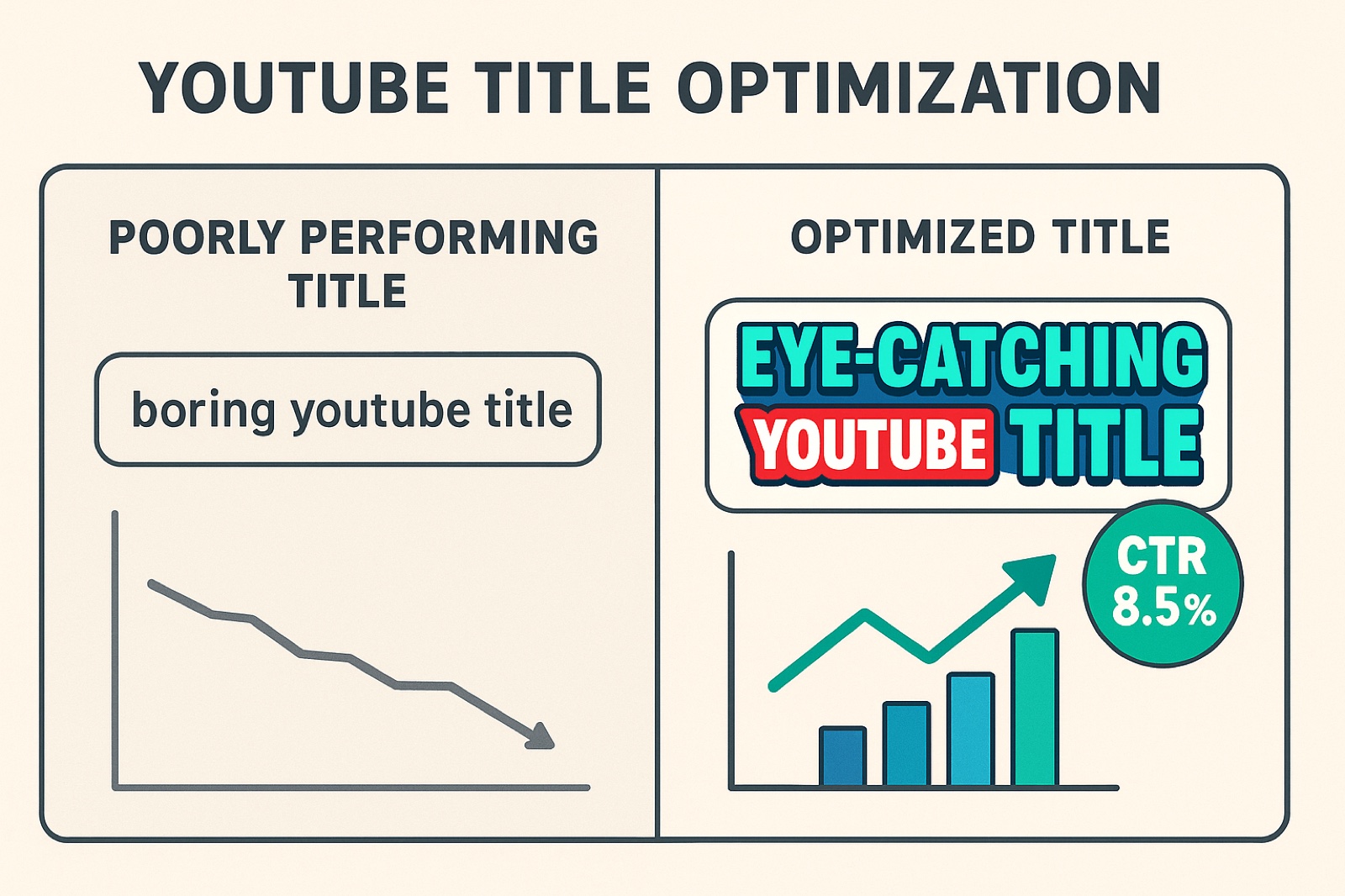
How to Optimize YouTube Video Titles for Maximum CTR: A Data-Driven Guide
Discover the science behind high-performing YouTube titles. We analyzed 10,000+ titles to reveal the psychological triggers and patterns that drive clicks.
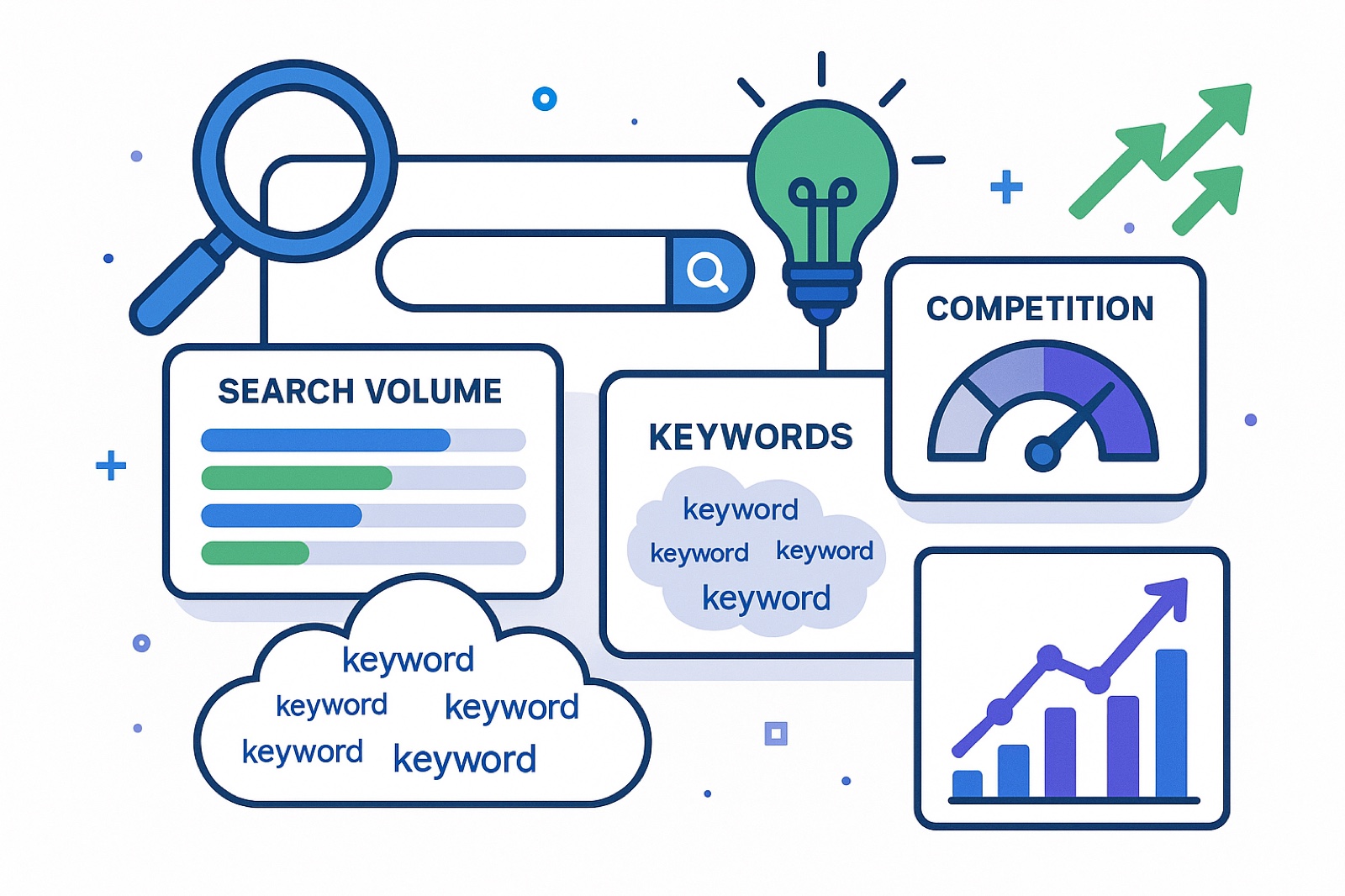
YouTube Keyword Research: Find High-Volume, Low-Competition Keywords in 2025
Stop guessing which keywords work. Learn proven strategies to find high-volume, low-competition keywords that actually drive traffic to your videos.
YouTube Tags Strategy: Do Tags Still Matter in 2025? (Spoiler: Yes, But Differently)
Tags have changed, but they still matter. Learn the modern approach to YouTube tags that actually helps your videos rank and get discovered.
Ready to Optimize Your YouTube Channel?
Viewera gives you clear analytics, SEO optimization tools, and content insights to help you grow your channel.
Start Free Trial